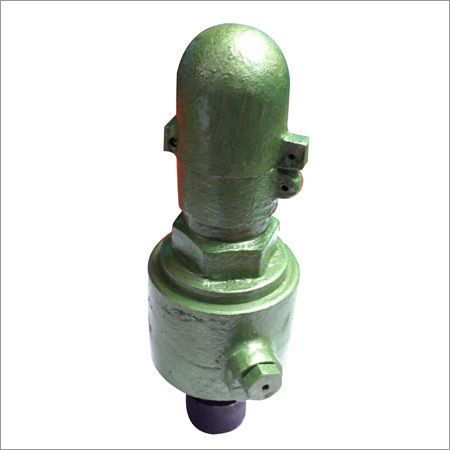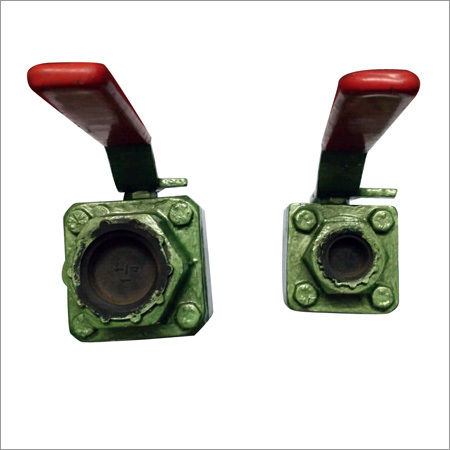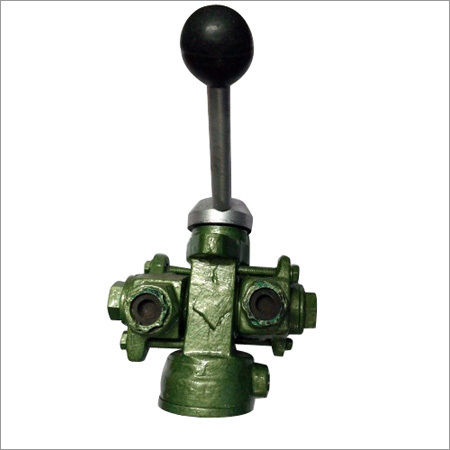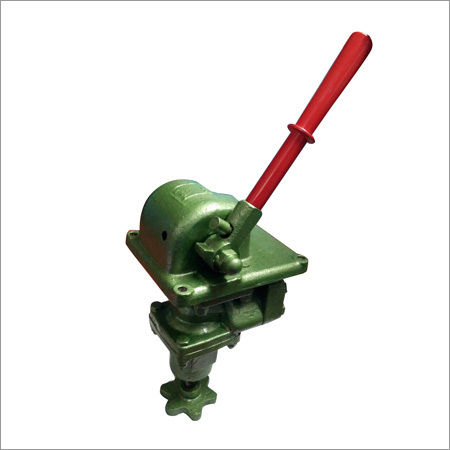
A particular kind of safety valve frequently employed in numerous industrial applications to guard pressure containers or systems from overpressure is the Safety Valve Type J-1. Safety valves are essential parts that automatically release excess pressure in a system and guard against catastrophic failures.
Due to the fact that there are numerous standards and requirements for safety valves, the Type J-1 Safety Valve is probably a designation unique to a single manufacturer or standard. I can, however, give a general review of safety valves and how they work.
A safety valve typically consists of a valve body, a spring-loaded disc or nozzle, and a mechanism that opens when the preset pressure is exceeded and releases excess pressure. Under typical operating circumstances, the valve will remain closed thanks to the spring mechanism. The valve opens when the pressure rises above a specified set point because more force is being applied to the spring than to close the valve.
The excess pressure can be evacuated to a safe area, such as the atmosphere or a containment system, when the safety valve opens. This guards against hazardous explosions or structural collapses by preventing the pressure vessel or system from rising to risky levels.
Any safety valve, including the Type J-1, is chosen based on a number of variables, including the application, system pressure, temperature, flow rate, and any applicable rules or laws. To guarantee their dependable operation and compliance with safety criteria, it is essential to make sure that safety valves are appropriately sized, fitted, and maintained.
Please provide more context if you have specific queries or need more in-depth information regarding safety valves or a particular application. I'll be happy to help you further.
Features: